Professional Timber Floor Finishes
- Services Cronulla, Sutherland and surrounding areas
- Australasian Timber Flooring Association (ATFA) Member
- Fully Insured
Enquire Now
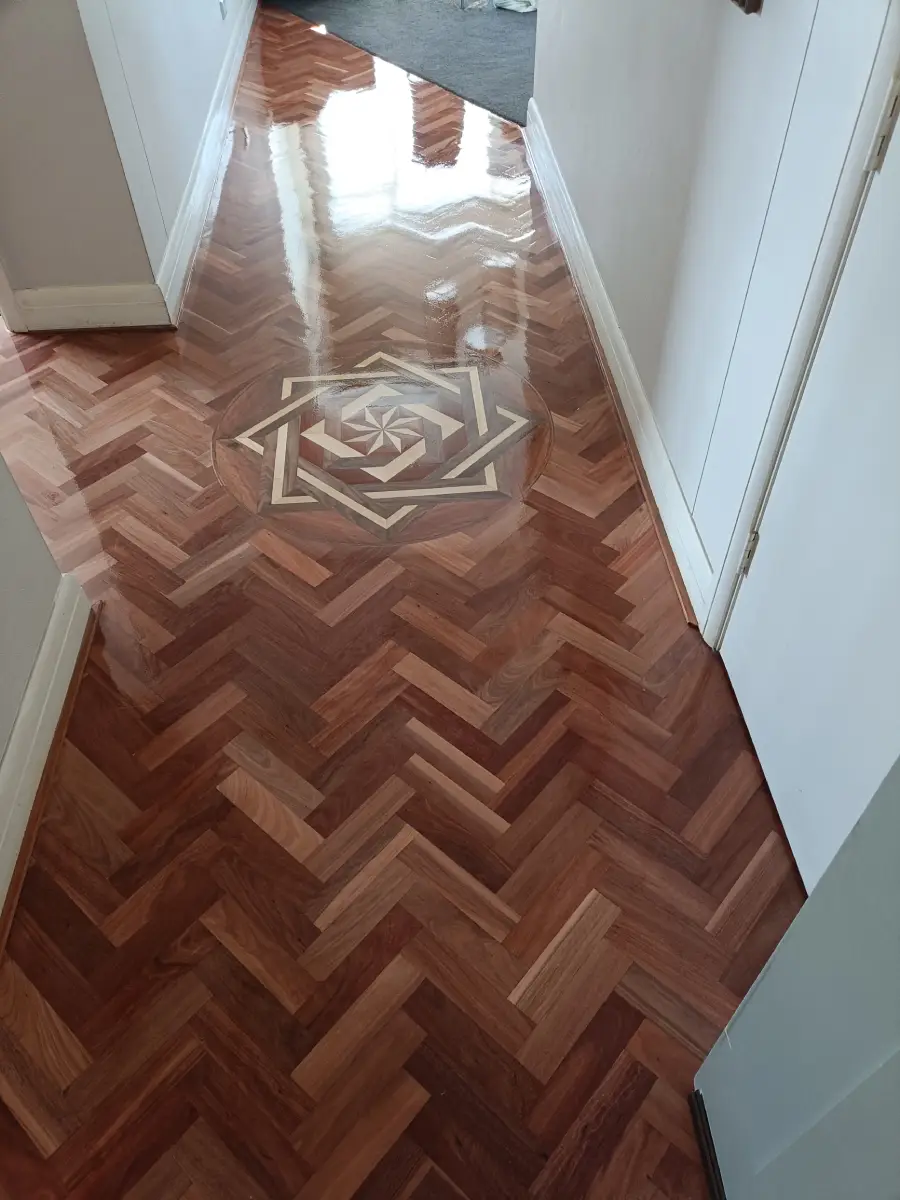
Timber floor finishes play an important role in protecting your floors while enhancing their natural appearance. The right finish helps preserve the timber, improve durability, and ensure the floor continues to perform well under everyday use. We apply premium-quality finishes designed to protect against foot traffic, moisture, and general wear, while bringing out the natural tone, grain, and texture of the timber beneath.
A range of finish options is available, from understated matte finishes that create a soft, natural look, through to satin and gloss finishes that add warmth and light reflection to a space. Each finish is selected based on how the area is used, the style of the home, and long-term maintenance expectations. Careful preparation and precise application ensure an even, streak-free result that feels smooth underfoot and looks refined. The end result is a durable, well-finished timber floor that supports everyday living while maintaining its appearance for years to come.
At Flawless Floor Sanding & Finishing we can help with:
- Surface Finishes
- Timber Patterns & Styles
- Timber Species & Grades
Timber Floor Finishing Options
Surface Finishes
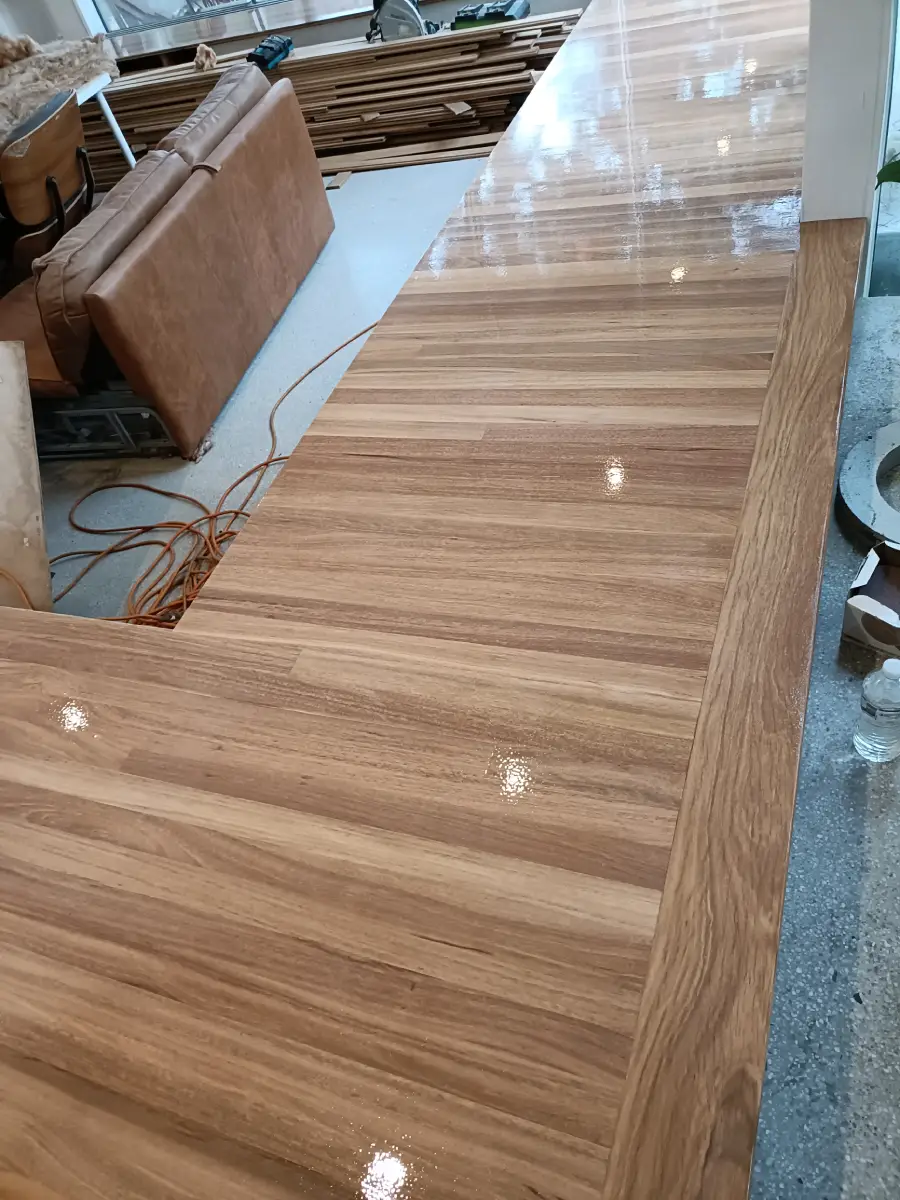
Surface finishes play an essential role in how a timber floor looks, wears, and performs over time. A well-selected finish not only enhances the timber’s natural grain and colour, but also provides a protective barrier against foot traffic, moisture, spills, and everyday use. Finishes influence how light interacts with the floor, how visible wear becomes, and how much ongoing maintenance is required. Lower-sheen finishes such as matte and satin are commonly chosen for their natural appearance and their ability to minimise the visibility of minor scratches, making them a practical option for busy households. Satin finishes offer a balanced level of reflection, while semi-gloss and high-gloss finishes introduce greater shine and colour depth, typically suited to feature areas or more formal spaces.
Advances in finishing systems have expanded the range of options available. Water-based polyurethane is widely used for its durability, low odour, and fast curing time, while also maintaining lighter timber tones, which is particularly beneficial in occupied homes. Hard wax oil finishes work differently by penetrating into the timber rather than forming a surface layer, creating a more natural look and allowing for simpler localised maintenance over time. Colour treatments such as stains enable tonal adjustment to suit interior design preferences, while whitewash and limewash finishes soften the timber for a lighter, contemporary aesthetic. By assessing the timber type, condition, level of use, and desired outcome, we help determine the most suitable finish for each space, ensuring a result that balances appearance, durability, and long-term practicality.
Standard Timber Patterns & Styles
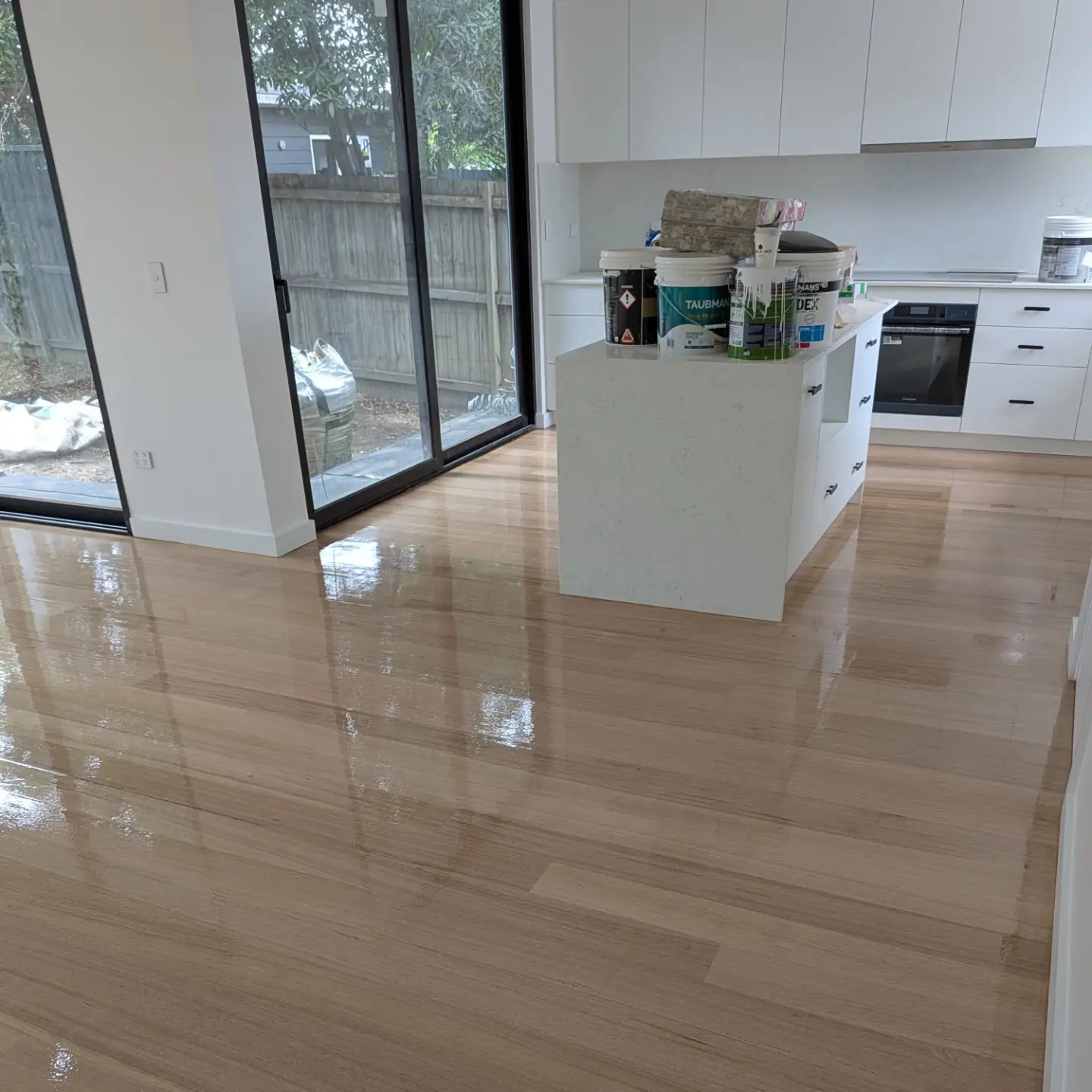
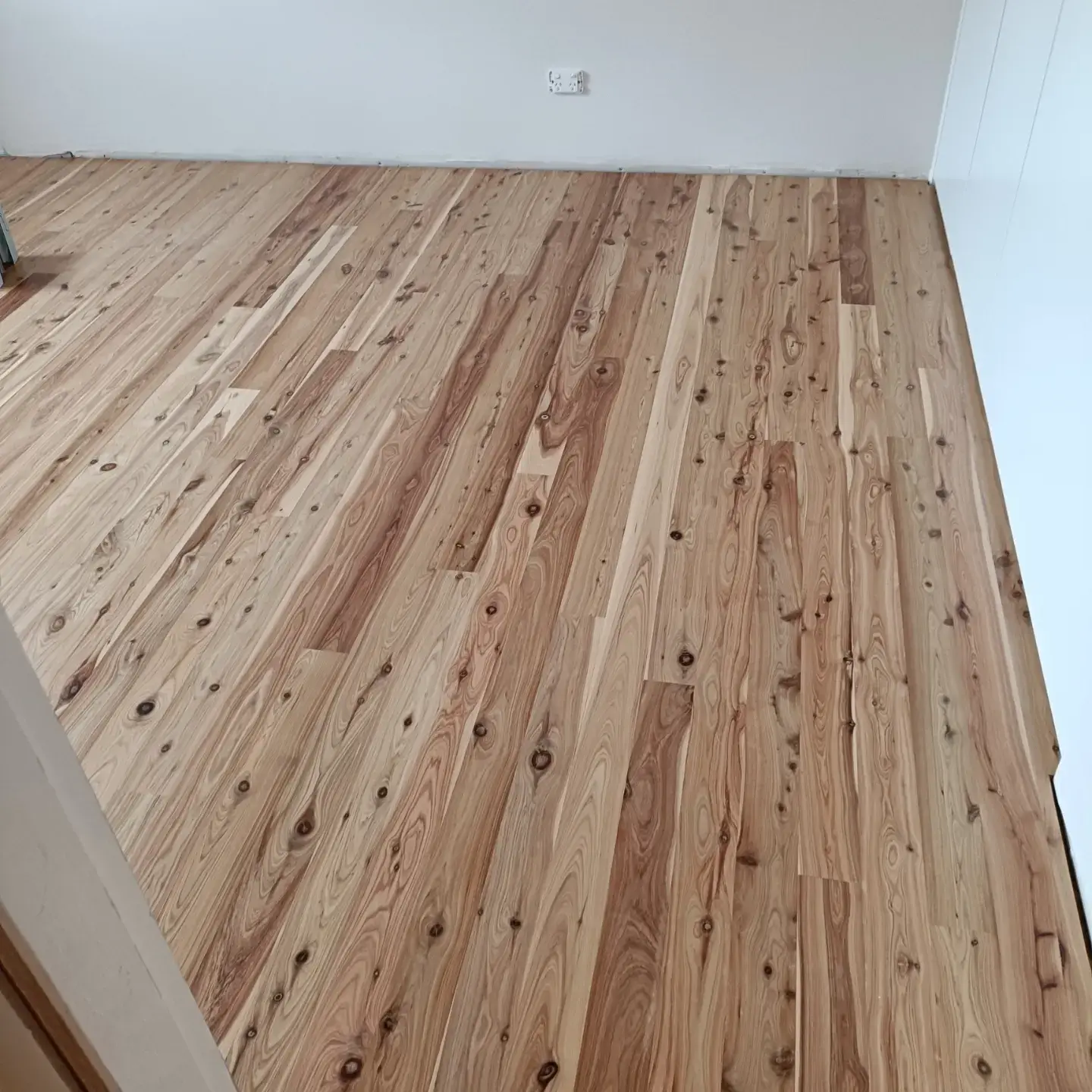
Standard timber flooring patterns are chosen for their timeless appeal, practicality, and versatility across a wide range of homes. These layouts focus on clean lines and consistent board placement, allowing the timber itself to remain the primary visual feature. Straight lay patterns, where boards run parallel across the room, are the most commonly used and suit a broad range of interior styles. Random length layouts introduce variation by combining different board lengths, creating a more natural and less repetitive appearance. Board width also plays an important role, with wider boards creating a modern, open feel and narrower boards lending themselves well to traditional or heritage-style homes.
Standard layouts may also include mixed-width and longboard designs, which add subtle visual interest while maintaining a structured and balanced appearance. Mixed-width flooring combines boards of different sizes to introduce texture and depth, while longboard layouts reduce visible joins and help improve visual flow in open-plan spaces. Feature-grade timber can be incorporated to highlight natural grain movement, knots, and colour variation, adding warmth without overwhelming the overall design. By considering room proportions, architectural style, timber characteristics, and how the space is used day to day, the most suitable layout can be identified to ensure a result that remains practical, visually balanced, and adaptable over time.
Decorative Timber Patterns & Styles
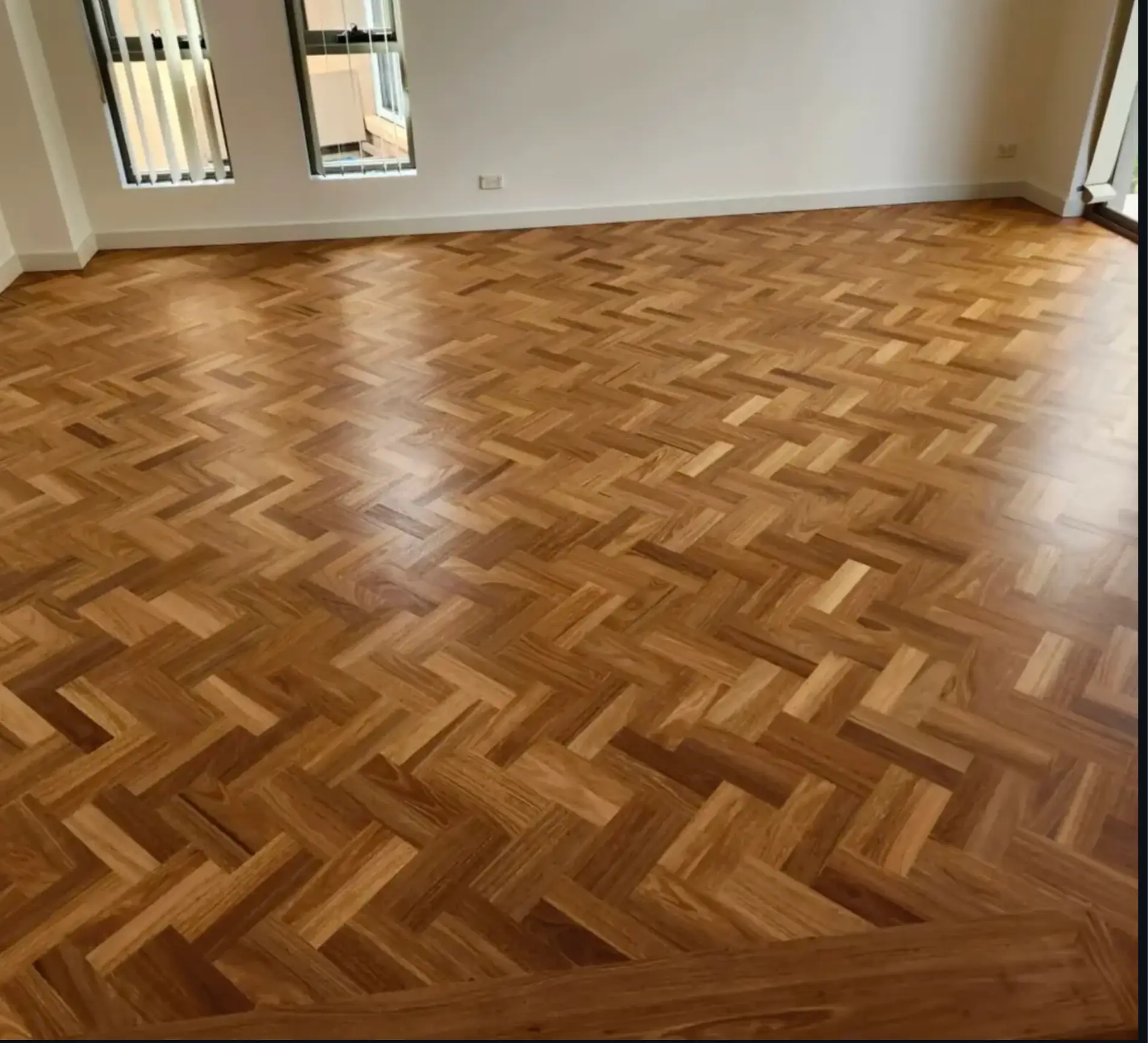
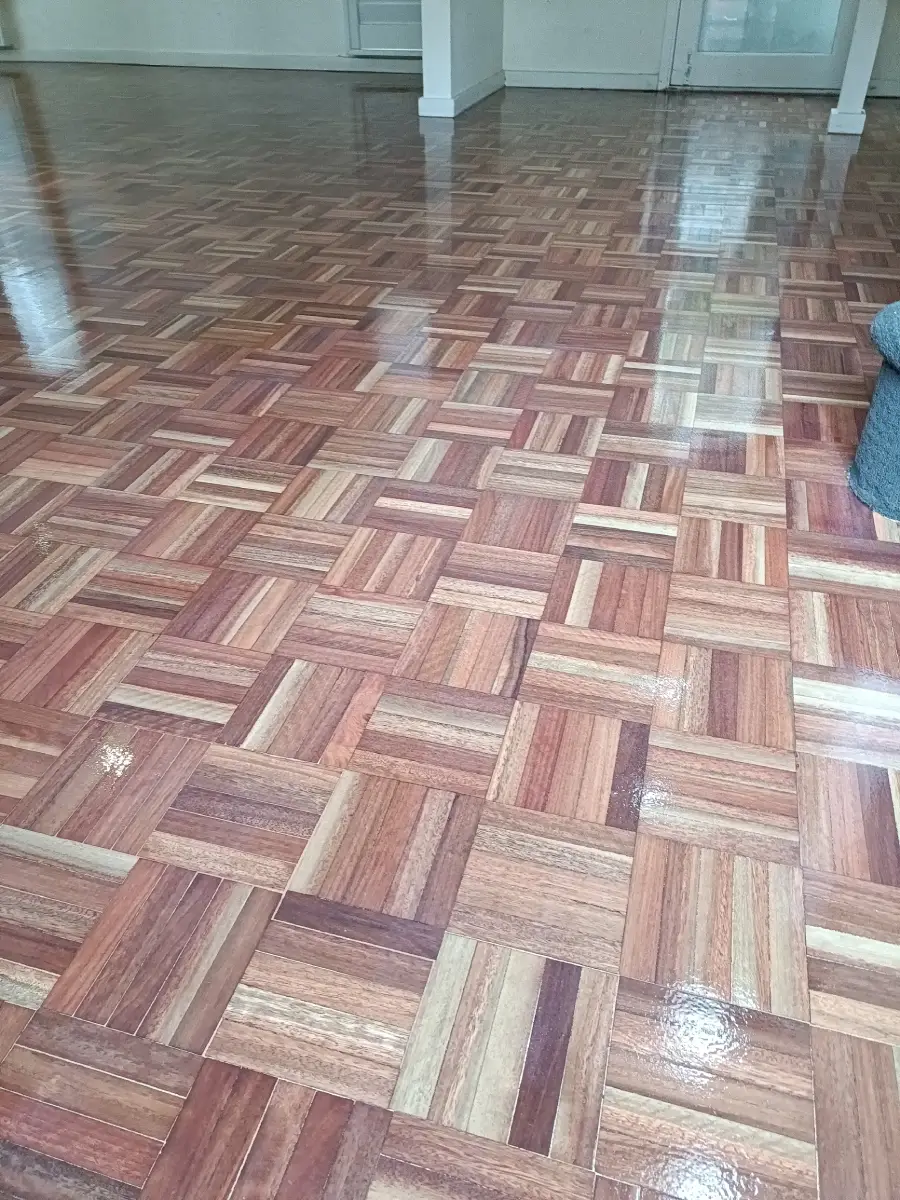
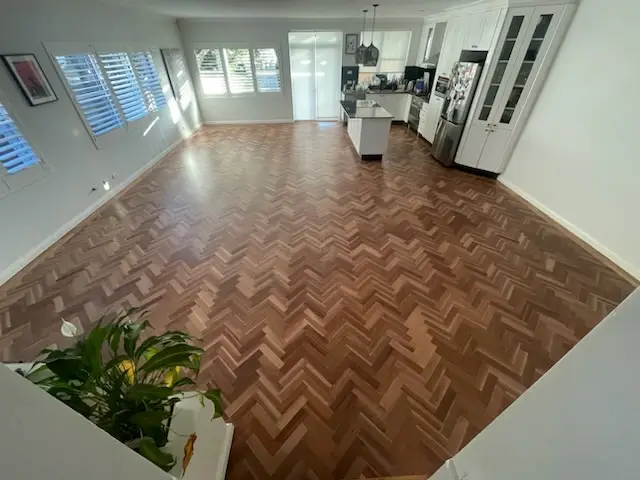
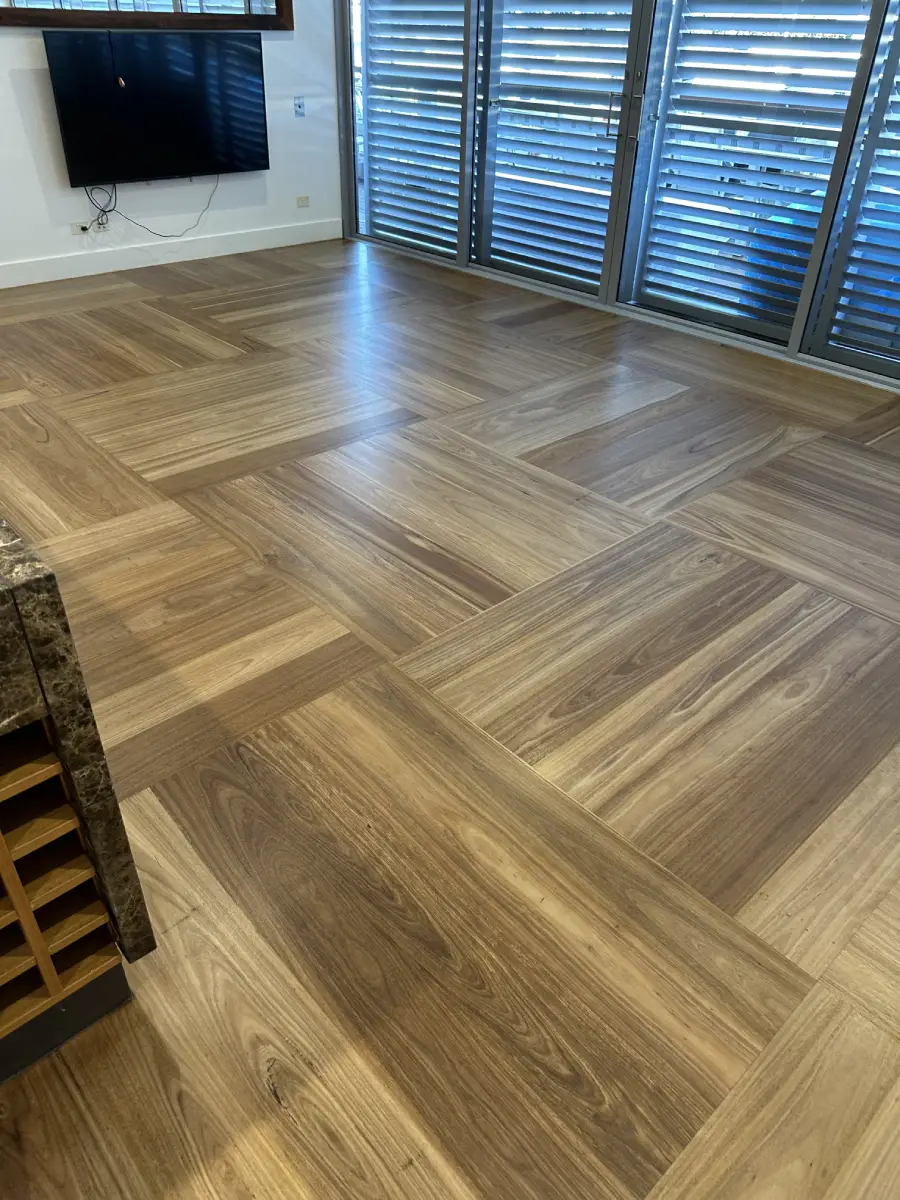
Decorative timber flooring patterns transform floors into a strong architectural feature within the home. These layouts introduce movement, symmetry, and visual detail that elevate the overall design of a space. Parquetry styles use smaller timber elements arranged in geometric patterns, adding texture and a refined sense of craftsmanship. Herringbone layouts create a dynamic zig-zag effect that adds depth and visual interest, while chevron patterns form a continuous V-shape for a more structured and balanced appearance. Decorative patterns are commonly chosen for entryways, living areas, and feature rooms where the flooring plays an important role in defining the overall aesthetic.
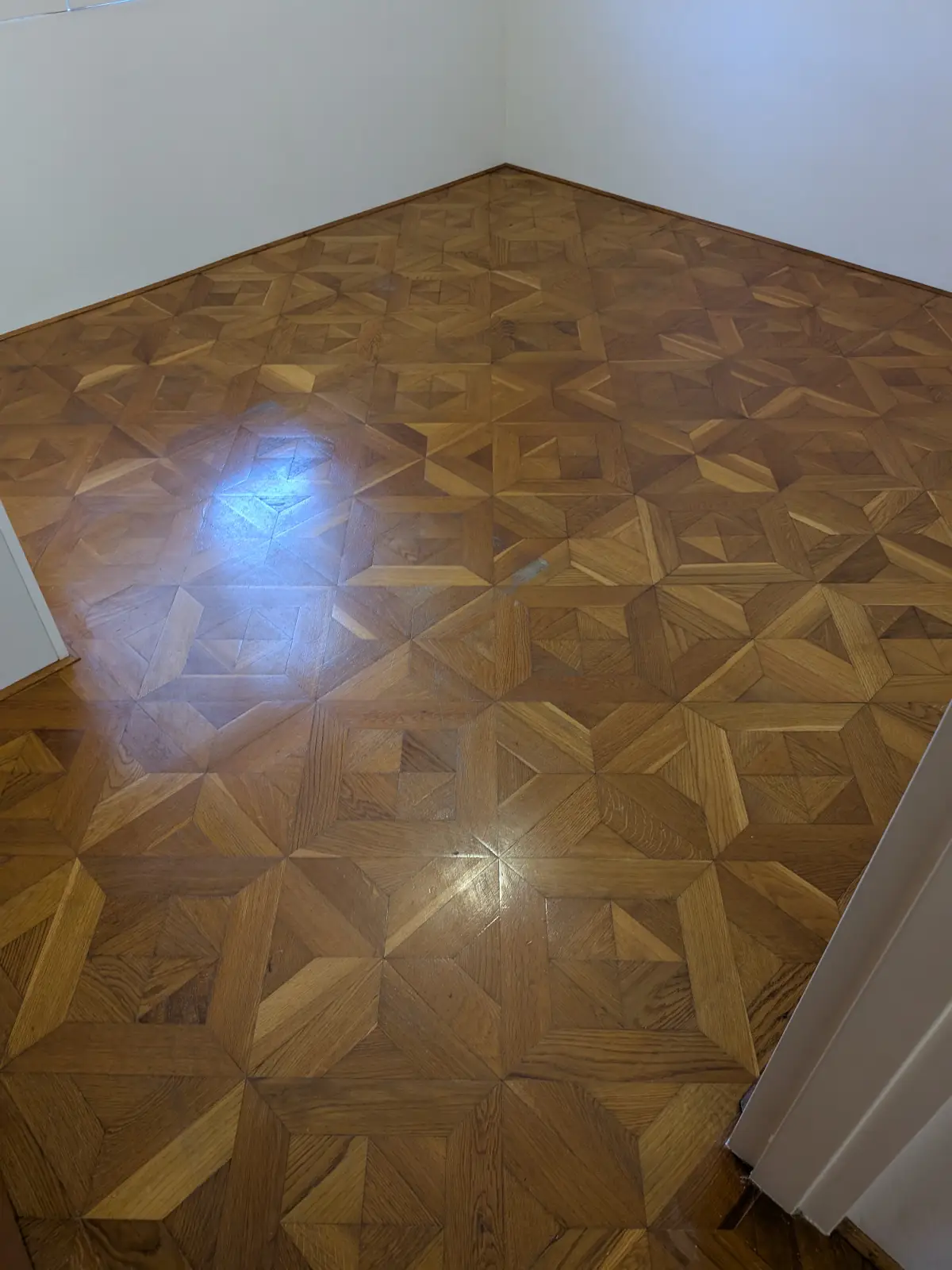
More detailed decorative layouts include basket weave patterns, mosaic parquetry, and Versailles panels, which are traditionally associated with classic and European-inspired interiors. Decorative inlay borders may also be incorporated to frame rooms, guide transitions, or define specific zones within open-plan spaces. These layouts require careful planning and skilled installation, as precision is essential to achieve correct alignment and visual balance. By considering room size, architectural style, and how the space connects to surrounding areas, the most suitable decorative pattern can be selected to ensure the floor enhances the design while delivering lasting character and value.
Timber Species & Grades
Selecting the right timber species and grade plays a key role in achieving the right balance between appearance, durability, and long-term performance. Residential timber flooring options range from dense Australian hardwoods to softer timbers and reclaimed materials, each offering distinct characteristics. Australian hardwoods such as Brushbox and Turpentine are valued for their strength and resistance to wear, making them well suited to high-traffic areas. Spotted Gum is known for its natural colour variation and durability, while Blackbutt offers a lighter, more neutral tone that complements contemporary interiors. Tasmanian Oak provides a consistent appearance and is often chosen for its versatility, while European Oak is appreciated for its ability to take a wide range of finishes. Pine and other softwoods present a more cost-effective option and are commonly selected for homes seeking a softer, character-driven look.
Timber grading affects visual appearance rather than structural integrity. Select grade timber features minimal knots and colour variation, creating a clean and refined finish. Standard grade offers a balance between consistency and natural character, while feature grade highlights knots, grain movement, and tonal variation for a more organic result. Recycled and reclaimed timber flooring introduces sustainability benefits along with distinctive character, often showcasing signs of age and history. By considering how each species and grade performs alongside lifestyle needs, design preferences, and expected use, the most suitable combination can be identified to ensure timber floors complement the home while delivering lasting practicality and visual appeal.
How It Works
1. Give a call
Call Theo on 0414 859 222 to organise a house inspection
2. Provide a Quote
Prior to providing a quotation, we will ask for your street address, and may inspect your site
3. Inspection
If an inspection is needed we will provide a quote within 24 hours of the inspection
4. Proceeding
We will follow up with a phone call to see how you are proceeding
5. Schedule
Someone from our team will be in contact to arrange the schedule including the before / after reports

What is the best finish for timber floors?
The best finish for timber floors depends on how the space is used, the type of timber, and the level of durability and maintenance required. In most Australian homes, the most commonly recommended and reliable finishes are water-based polyurethane and hard wax oil, as they offer a strong balance between protection, appearance, and long-term performance.
Water-based polyurethane is widely used for residential timber floors because it provides excellent resistance to everyday wear, moisture, and spills while maintaining a natural timber colour. It dries quickly, has low odour, and suits homes that are occupied during works. This finish is often chosen for living areas, hallways, and family homes where durability and ease of maintenance are important.
Hard wax oil is another popular option, particularly for homeowners seeking a more natural look. It penetrates into the timber rather than forming a surface film, enhancing the grain and allowing the floor to breathe. While it may require more regular maintenance than polyurethane, it allows for easier localised repairs and suits lower to medium traffic areas.
Other finishes such as epoxy or moisture-cured polyurethane are generally reserved for commercial or specialised environments rather than standard residential homes.
The most suitable finish is best determined by assessing the timber species, existing floor condition, foot traffic levels, and lifestyle needs. A professional assessment helps ensure the finish selected supports both the appearance and long-term performance of the floor.
Should wood floors be glossy or matte?
Whether timber floors should be glossy or matte depends on how the space is used, the level of foot traffic, and the look you want to achieve. For most Australian homes, matte or satin finishes are the most practical and popular choice, particularly in living areas, hallways, and family homes.
Matte finishes provide a natural, understated appearance and are well suited to high-traffic areas. They help minimise the visibility of scratches, dust, and pet marks, making them easier to live with on a day-to-day basis. Matte finishes also reduce glare, which can be beneficial in bright or sun-filled rooms, and tend to suit modern, coastal, and relaxed interiors.
Glossy finishes create a high-shine, reflective surface that can make rooms feel brighter and more formal. While they offer a polished, luxurious look, they tend to highlight scratches, dust, and wear more easily and may require more frequent cleaning. For this reason, glossy finishes are often better suited to low-traffic or feature areas rather than busy family spaces.
A satin finish is commonly chosen as a middle ground. It offers a soft sheen that looks polished without the high glare of gloss and remains more forgiving than a fully glossy surface. Satin finishes suit a wide range of interiors and balance appearance with practicality.
The most suitable finish may depend on your lifestyle, lighting, and maintenance preferences. By assessing how the space is used and the condition of the timber, the right level of sheen can be selected to ensure your floors remain both attractive and practical over time.
How thick is a timber floor finish?
A timber floor finish itself is very thin, usually measuring fractions of a millimetre, as it is a protective coating applied to the surface of the timber. Finishes such as polyurethane, hard wax oil, or stains are designed to protect the floor and enhance its appearance, not add structural thickness.
The thickness figures commonly mentioned, such as 10mm to 20mm, refer to the timber flooring boards, not the finish. Timber floorboards are available in different thicknesses to suit various applications. Thinner boards, such as 10mm, are often used where floor height is limited or where the new flooring needs to align with existing surfaces, doorways, or fixtures. Thicker boards, typically 14mm to 20mm, provide greater longevity and may allow for more sanding and refinishing over the life of the floor.
When assessing a timber floor, it’s important to consider both the board thickness and the type of finish being applied. The right combination ensures the floor performs well, sits correctly within the space, and can be maintained properly over time. A professional assessment helps determine the most suitable option based on subfloor conditions, existing floor heights, and long-term use.
What finish is best for wood floors?
For most homes, a satin finish is considered the best all-round option for wood floors. Satin finishes typically sit at around a 40% sheen, offering a balanced look that feels polished without being overly glossy. This level of sheen reflects light softly, which helps disguise minor scratches, dust, and everyday wear more effectively than high-gloss finishes.
Satin finishes are popular because they combine practicality with visual appeal. They are easier to maintain than glossy finishes, as they don’t highlight imperfections as readily, and they still provide enough sheen to enhance the natural grain and colour of the timber. This makes satin a reliable choice for living areas, hallways, and family homes where durability and low maintenance are important.
While matte finishes suit those wanting a very natural, understated look, and gloss finishes create a more formal, reflective appearance, satin offers a versatile middle ground. The most suitable finish ultimately depends on lifestyle, lighting conditions, and how the space is used. A professional assessment helps ensure the chosen finish delivers the right balance of appearance, durability, and long-term performance.
Is sandless refinishing any good?
Sandless refinishing can be a good option for lightly worn timber floors, but it is not suitable for every situation. This method is designed to refresh the appearance of floors that are generally in good condition, with only minor surface scratches, dullness, or loss of sheen. It works by thoroughly cleaning and lightly abrading the existing finish before applying a new protective coating, rather than sanding back to bare timber.
One of the main advantages of sandless refinishing is convenience. It produces little to no dust, has a fast turnaround time (often completed in a single day), and typically costs less than traditional sanding. It may also be appropriate where timber floors are too thin to withstand further sanding, or where maintaining the existing character of older floors is a priority. However, it’s important to understand its limitations. Sandless refinishing cannot remove deep scratches, gouges, stains, water damage, or uneven wear, and it does not correct issues within the timber itself.
In terms of durability, sandless refinishing is considered a short- to medium-term solution. Results may last a few years depending on traffic and use, whereas traditional sanding and refinishing generally provides a much longer lifespan. For floors with visible damage, heavy wear, or structural issues, full sanding remains the most effective and long-lasting option. A professional assessment helps determine whether sandless refinishing is suitable, or whether traditional sanding will deliver a better long-term result.
areas we service
At Flawless Floor Sanding and Polishing, we bring clarity and expertise to every aspect of timber floor finishes, helping homeowners and property professionals make confident, informed decisions. From surface finishes and timber patterns to species selection and grading, our team understands how each choice affects the final look, feel, and longevity of a timber floor. Whether you are planning a new installation or refining an existing floor, we focus on finishes that enhance natural character while supporting durability and everyday use.
Our experience across homes and commercial spaces throughout Cronulla, Sutherland, and the wider Sutherland Shire has given us a deep understanding of how different finishes and timber styles perform in real environments. We work closely with homeowners, builders, and designers to ensure each timber floor is suited to the property’s architecture, lifestyle needs, and maintenance expectations. Attention to detail and honest guidance are central to our approach, from selecting the right coating to achieving the desired aesthetic through layout and timber choice.
As a fully insured and locally operated business, Flawless Floor Sanding and Polishing takes pride in delivering timber floor finishes that stand the test of time. Every project is approached with care, craftsmanship, and clear communication, ensuring results that are both visually refined and built for long-term performance. For expert advice and quality workmanship, contact Theo and the team to discuss your timber flooring project.